Driving through Palm Beach County means facing intense Florida sunshine that can turn your vehicle into an oven within minutes. The relentless UV rays don’t just make you uncomfortable; they damage your car’s interior, fade upholstery, and force your air conditioning to work overtime. That’s precisely why Window Tinting in Palm Beach County has become essential rather than optional for smart vehicle owners. LINE-X AUTO SPA has helped thousands of drivers protect their investments while improving comfort, and understanding the cost structure helps you budget appropriately for this valuable upgrade.
The price range for professional auto window tinting spans from budget-friendly options to premium solutions, each offering different levels of protection and performance. LINE-X AUTO SPA maintains transparent pricing that reflects the quality of materials used and the expertise required for flawless installation. Whether you’re seeking basic heat reduction for your daily commute or maximum UV protection for your family’s health, knowing what influences these costs empowers you to make the right choice for your specific situation and vehicle type.
Understanding the Basics of Automotive Window Tinting
Window tinting involves the careful application of specialized film to your vehicle’s glass surfaces. This process creates a protective barrier that serves multiple critical functions. The film blocks harmful ultraviolet radiation that causes skin damage and interior deterioration, reduces solar heat gain that makes your cabin uncomfortable, enhances your privacy by limiting visibility into your vehicle, and protects valuable dashboard and upholstery materials from sun-induced fading and cracking.
Modern tinting technology has advanced significantly over the past decade. Today’s films range from basic dyed options to sophisticated ceramic solutions that use nano-technology to reject heat without blocking radio signals or GPS functionality. Each film type works through different mechanisms, some absorbing solar energy while others reflect it before it enters your cabin. Understanding these technological differences helps you align your choice with both your performance expectations and budget constraints. The right tint transforms your driving experience while protecting your investment for years to come.
Key Factors That Influence Your Window Tinting Costs
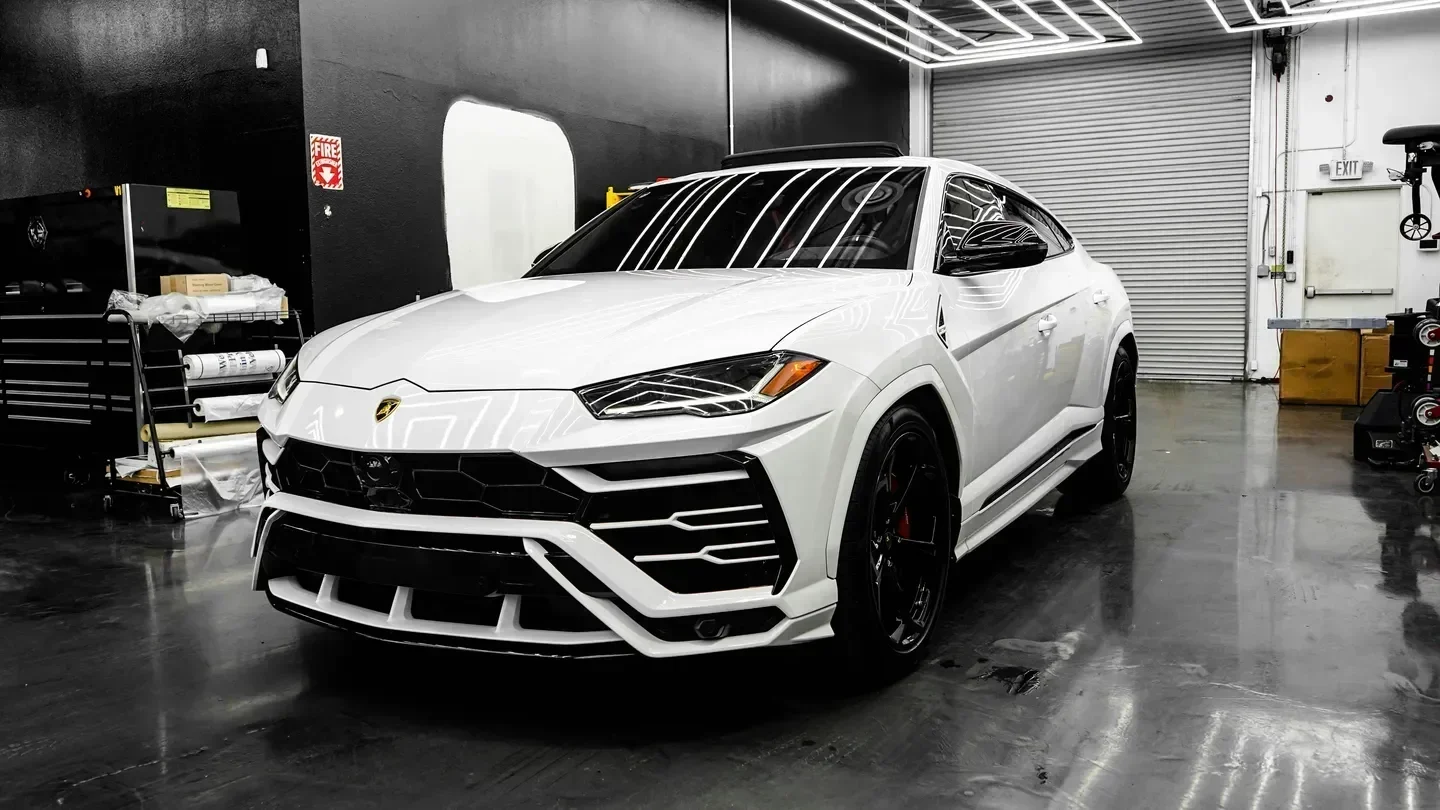
Multiple variables combine to determine your final window tinting investment. The film quality you select represents the most significant cost factor, followed closely by your vehicle’s size and window configuration. Installation complexity also matters; vehicles with curved glass, rear window defrosters, or intricate shapes require additional time and expertise. LINE-X AUTO SPA evaluates each of these factors during the consultation process, ensuring you receive accurate pricing tailored specifically to your vehicle’s requirements and your performance goals.
Geographic location influences pricing as well. Palm Beach County’s competitive market offers various price points, but quality should never be sacrificed for savings. Professional installation demands specialized skills, proper tools, and climate-controlled environments to achieve bubble-free, long-lasting results. Experienced technicians spend years perfecting their craft, and their expertise shows in installations that maintain their appearance and performance for a decade or more. Cutting corners on installation often leads to premature failure, requiring costly replacement that negates any initial savings.
Type of Tint Film
Film selection dramatically impacts both performance and cost. Dyed films represent the entry point, using color pigments to absorb light and heat. These typically cost between $150 and $300 for standard sedans, providing basic UV protection and privacy enhancement. However, dyed films offer limited heat rejection and can fade over time, particularly in Florida’s intense sun.
Metallic films incorporate tiny metal particles that reflect solar energy more effectively. These UV Protective Tint Films range from $250 to $450 and deliver improved heat rejection compared to dyed options. Carbon films eliminate metal content entirely, preventing interference with electronic devices while providing superior heat blocking. Car Window Tinting Palm Beach County installations using carbon technology typically cost $300 to $600. Premium ceramic films top the performance hierarchy, using advanced nano-ceramic particles to reject up to 70% of infrared heat while blocking 99% of UV rays. These high-performance solutions range from $500 to $800 or more, depending on brand and vehicle size.
Vehicle Size and Type
Your vehicle’s dimensions directly determine material requirements and installation time. Compact sedans with standard four-door configurations require less film and fewer labor hours than large SUVs with extensive glass areas. Auto Window Tinting Palm Beach County pricing structures account for these size differences. A two-door coupe might cost $200 to $400 for mid-grade film, while a full-size SUV with the same film quality could run $400 to $700.
Commercial vehicles, vans, and trucks with multiple side windows or large rear glass present additional challenges. Luxury vehicles often feature complex curved windows and intricate door designs that demand extra precision and time. Some vehicles have factory privacy glass on rear windows, which may affect your tinting options and costs. LINE-X AUTO SPA technicians assess each vehicle individually, considering these unique characteristics to provide pricing that accurately reflects the work involved.
Average Window Tinting Prices Throughout Palm Beach County
Throughout Palm Beach County, complete vehicle tinting ranges from $150 to $800 depending on vehicle type and film selection. This price spectrum accommodates various budgets while offering solutions for different performance needs. Most drivers choosing mid-grade film for standard sedans invest between $250 and $450, a range that balances quality materials with reasonable pricing.
Window Tinting Prices in Palm Beach County remain competitive due to numerous service providers, but price alone shouldn’t drive your decision. The quality of materials, installer experience, warranty coverage, and shop reputation all contribute to long-term value. A $200 installation that fails within two years costs more than a $400 installation that lasts a decade. Research shops thoroughly, read customer reviews, and verify that installers use reputable film brands with manufacturer warranties.
Budget-Friendly Options
For cost-conscious drivers, entry-level dyed film provides adequate protection at accessible prices. Standard sedan installations typically cost $150 to $300, while larger vehicles run $200 to $400. These solutions work well for older vehicles where you’re prioritizing basic UV protection and privacy over maximum heat rejection. Budget tinting still blocks harmful ultraviolet radiation and reduces glare, making your driving experience more comfortable.
Even when selecting affordable options, insist on quality installation and reputable film brands. Cheap films from unknown manufacturers often fail prematurely, developing bubbles, turning purple, or peeling away from glass surfaces. Established brands like SunTek, 3M, or Llumar offer entry-level products with warranties protecting against these defects. Your chosen Window Tint Shop Palm Beach County should stand behind their work regardless of price point.
Premium Tinting Solutions
High-performance ceramic films deliver unmatched benefits that justify their premium pricing. These advanced solutions typically cost $500 to $800 for standard vehicles, with larger SUVs and luxury cars potentially exceeding $1,000. The investment pays dividends through superior heat rejection that can reduce interior temperatures by 60 degrees or more, making Florida summers far more bearable.
Ceramic tinting maintains crystal-clear visibility while blocking infrared heat and 99% of UV radiation. Unlike metallic films, ceramic options don’t interfere with electronic signals, preserving your phone, GPS, and radio performance. Color-stable technology ensures your tint maintains its appearance for years without fading to purple or brown. Some premium films even feature self-healing properties that minimize minor scratches. When searching for an Auto Window Tinting Shop Near Me Palm Beach County, prioritize shops offering these advanced solutions if maximum performance matters to you.
Major Benefits of Professional Automotive Window Tinting Services
Professional window tinting delivers benefits extending far beyond aesthetics. Health protection ranks among the most compelling advantages. Quality films block up to 99% of harmful UV rays, the same radiation that causes skin cancer and premature aging. For drivers spending hours weekly in their vehicles, this protection proves invaluable. Your interior materials benefit equally; UV rays cause leather to crack, vinyl to fade, and plastics to become brittle. Tinting preserves these materials, maintaining your vehicle’s appearance and resale value.
Heat rejection transforms your driving experience dramatically. Palm Beach County window tinting services can reduce cabin temperatures by 40 to 60 degrees compared to untinted vehicles. This massive temperature difference means your air conditioning works less, improving fuel efficiency by reducing engine load. You’ll notice faster cooling when entering a hot vehicle and more consistent cabin temperatures during drives. Privacy and security benefits also matter significantly. Tinted windows make it harder for potential thieves to see valuables inside your vehicle, while giving you peace of mind during shopping trips or while parked in public areas.
What to Expect During Your Window Tinting Installation
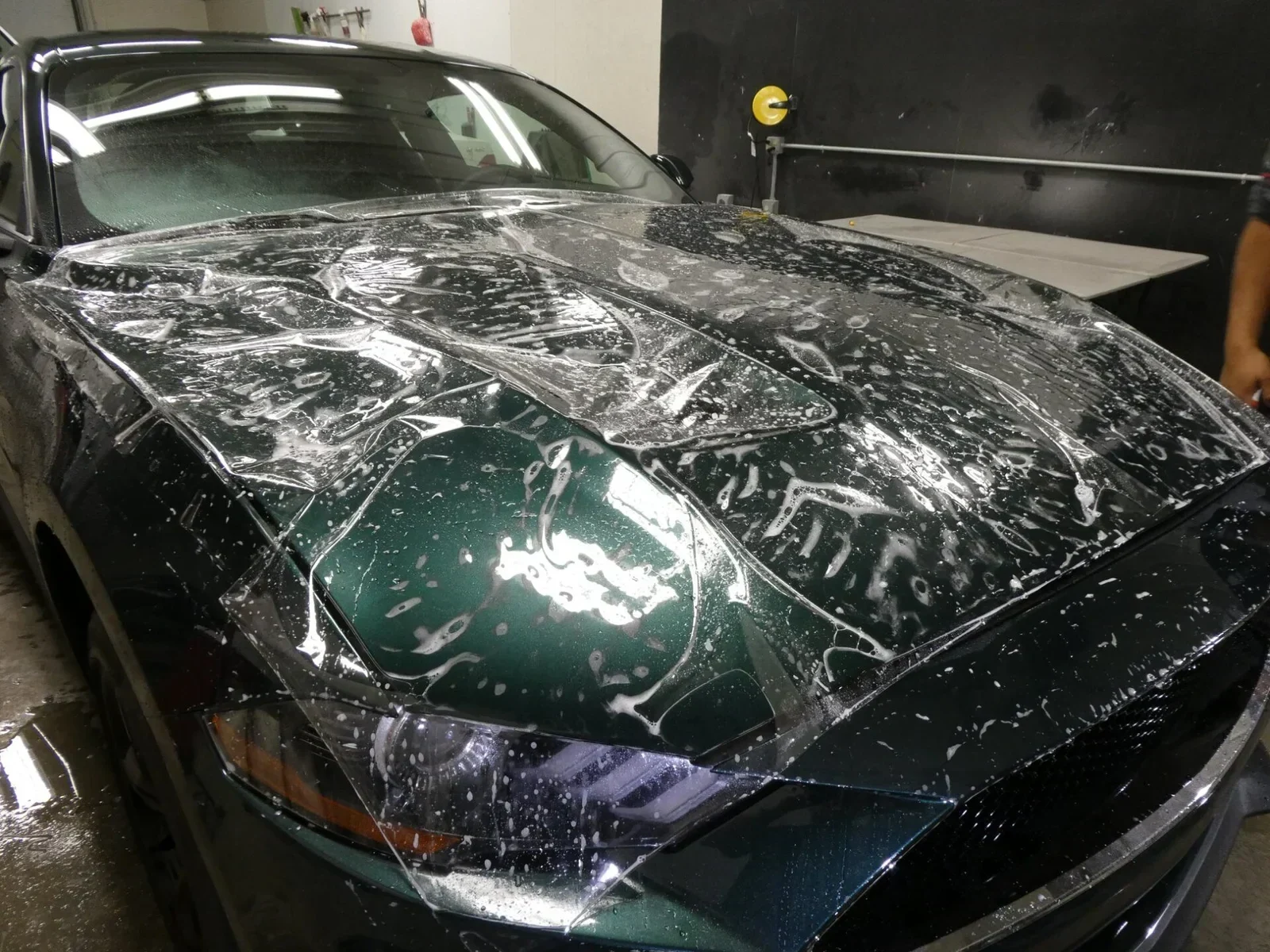
Professional installation typically requires two to four hours, though complex vehicles may need additional time. The process begins with meticulous window cleaning to ensure perfect film adhesion. Even microscopic dirt or oil can cause bubbles or adhesion failures, so quality shops invest considerable time in this preparation phase. Technicians then precisely cut film to match each window’s dimensions, accounting for curves, angles, and trim pieces.
Application involves carefully positioning the film, then using specialized squeegees to remove air bubbles and excess moisture trapped between the film and glass. LINE-X AUTO SPA technicians work methodically to ensure flawless results without contamination or imperfections. After installation, expect some haziness or small water bubbles initially. These disappear within three to seven days as remaining moisture evaporates through the film. Most professionals recommend waiting three to five days before rolling down windows, allowing the adhesive to cure completely. Following these guidelines ensures your tinting lasts its full expected lifespan without premature failure.
How to Choose the Right Window Tinting Shop
Selecting a reputable tinting provider requires careful evaluation. Start by verifying installer certifications and training. Quality shops employ technicians certified by major film manufacturers, indicating they’ve completed professional training programs. Check online reviews across multiple platforms to identify patterns in customer experiences. Consistent complaints about bubbling, peeling, or poor customer service should raise red flags.
Visit prospective shops in person before committing. A professional facility maintains a clean, climate-controlled workspace essential for quality installations. Ask about the specific film brands they use and verify manufacturer warranties. Reputable shops provide detailed written estimates breaking down material and labor costs. They should willingly answer questions about their process, explain different film options, and show examples of completed work. LINE-X AUTO SPA welcomes facility tours and detailed consultations, believing informed customers make better decisions and experience greater satisfaction with their investments.
Conclusion
Investing in quality automotive window tinting in Palm Beach County delivers lasting value through enhanced comfort, vehicle protection, and health benefits. Understanding the factors influencing costs empowers you to select solutions matching your budget and performance needs. Whether choosing economical dyed films or premium ceramic technology, professional installation from trusted providers like LINE-X AUTO SPA ensures results lasting years. The protection against UV damage, heat reduction benefits, and interior preservation make window tinting one of the smartest upgrades for any vehicle in sunny South Florida.
FAQs
Q1: How long does window tint typically last?
Quality professionally installed tint lasts five to ten years or longer with proper maintenance. Premium ceramic films often exceed this range, maintaining their appearance and performance for over a decade, while budget options may require replacement sooner.
Q2: Is window tinting legal in Palm Beach County?
Yes, window tinting is legal in Palm Beach County and throughout Florida, but regulations require front side windows to allow more than 28% light transmission. Rear and back side windows can be darker, but compliance with state laws prevents tickets.
Q3: Can I wash my car immediately after tinting?
You should wait at least three to five days after installation before washing your vehicle, allowing the adhesive to fully cure. When you do wash, avoid high-pressure water directly on window edges for the first month to prevent lifting.
Q4: Does window tint affect visibility at night?
Quality window tint should not significantly impact nighttime visibility when properly selected. Lighter tint shades and high-quality films maintain excellent clarity in low-light conditions, though extremely dark tint on front windows can reduce safety.
Q5: Will tinting interfere with my car’s electronics?
Metallic films can potentially interfere with GPS, cellular, and radio signals, but modern carbon and ceramic films eliminate this concern entirely. Discuss your vehicle’s technology with installers to select the appropriate film type for optimal performance.