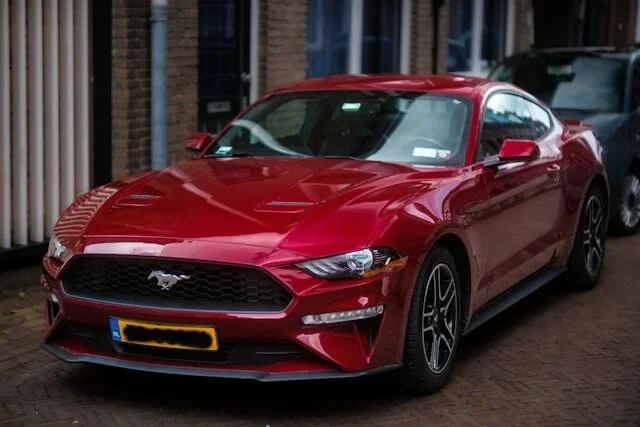
Living in a coastal paradise like Juno Beach means enjoying beautiful ocean views, warm weather, and easy beach access. But have you noticed how quickly vehicles can show their age in this environment? The same salt air and brilliant sunshine that make this area so attractive also create unique challenges for vehicle owners. If you’ve had protective coatings or films on your car for a few years, you might be wondering whether it’s time for an upgrade. Auto Protection in Juno Beach, FL isn’t just a one-time investment; it’s something that needs evaluation and potential updating as your vehicle ages and as new technologies emerge. LINE-X AUTO SPA helps vehicle owners understand when their current protection needs refreshing or upgrading to keep their cars looking pristine despite Florida’s harsh coastal conditions.
Your vehicle’s protection works hard every single day, battling environmental factors that most inland car owners never face. When you first installed protective films or coatings, they likely performed beautifully, repelling water, resisting scratches, and keeping your paint vibrant. Over time, however, even the best protection begins to show wear. LINE-X AUTO SPA recommends regular assessments of your vehicle’s protective layers to ensure they’re still doing their job effectively. Knowing when to upgrade can save you from more expensive repairs down the road and keep your vehicle’s resale value strong. Plus, newer protection technologies offer advantages that older applications simply can’t match, making upgrades worthwhile even if your current protection seems adequate.
Signs Your Current Protection Is Failing
Recognizing when your auto protection needs upgrading starts with knowing what to look for. Your vehicle gives you clear signals when protective layers are no longer performing at their best.
Visible Wear and Deterioration
Take a close look at your paint protection film or coating in bright sunlight. Do you see yellowing, especially along the edges? Are there areas where the film appears cloudy or has visible bubbling? These are telltale signs that the material has reached the end of its effective life. Paint protection films naturally degrade over time due to UV exposure, and yellowing indicates the protective polymers are breaking down. Similarly, if your ceramic coating no longer beads water like it used to, or if you notice water spots that won’t wash off easily, the hydrophobic properties have diminished. Your vehicle’s surface should feel smooth to the touch; if you detect roughness or texture changes, contaminants have bonded to degraded protection.
Reduced Effectiveness Against Elements
When protection starts failing, you’ll notice environmental damage appearing more quickly. Does your car get dirtier faster than it used to? Are water spots becoming more prominent after rain? These changes suggest your protective barrier isn’t repelling contaminants effectively anymore. You might also notice that washing your car takes more effort, with dirt clinging stubbornly to surfaces that once cleaned effortlessly. In Juno Beach’s salty environment, failing protection means salt deposits accumulate more readily, potentially leading to corrosion. If you’re spending more time maintaining your vehicle’s appearance with less satisfying results, your protection has likely degraded beyond effectiveness.
Understanding the Lifespan of Auto Protection Products
Different protection types have varying lifespans, and understanding these timelines helps you plan for upgrades appropriately. Paint protection films typically last between five and ten years, depending on quality and exposure. Premium films with self-healing properties and advanced UV inhibitors last longer than budget options. Ceramic coatings generally provide two to five years of protection, with professional-grade coatings lasting longer than consumer products. Window tints can last the vehicle’s lifetime if properly installed, but older tints may fade or turn purple, signaling it’s time for replacement.
Environmental factors significantly impact these timelines. Vehicles parked outdoors in direct sunlight age faster than garaged vehicles. Coastal locations like Juno Beach accelerate degradation due to salt exposure and intense UV radiation. If your protection is approaching or has exceeded its expected lifespan, scheduling an evaluation makes sense even if you haven’t noticed obvious problems. Prevention beats reaction every time, and upgrading before complete failure prevents damage to your underlying paint.
How Juno Beach’s Coastal Climate Affects Your Vehicle
Coastal Florida presents unique challenges that make protective upgrades more critical than in many other locations. Understanding these environmental factors helps you appreciate why timely upgrades matter.
Salt Air and Corrosion Concerns
That refreshing ocean breeze carries microscopic salt particles that settle on every surface, including your vehicle. Salt is incredibly corrosive to metal and can deteriorate paint, rubber seals, and trim components. When protective coatings fail, salt finds its way into vulnerable areas, accelerating rust and corrosion. This process happens faster than most people realize, especially on older vehicles with compromised protection. An Auto Protection Shop Juno Beach, FL understands these local conditions and can recommend upgrade schedules that account for increased salt exposure. Regular upgrades ensure your protective barrier remains intact, preventing salt from reaching your vehicle’s vulnerable surfaces.
Intense UV Exposure Year-Round
Florida’s sunshine is relentless, delivering intense UV radiation twelve months a year. Unlike northern climates where winter provides a break from harsh sun, Juno Beach vehicles face continuous UV bombardment. This constant exposure breaks down protective films and coatings faster, causes interior fading, and degrades rubber and plastic components. UV damage is cumulative, meaning the longer protection remains past its prime, the more damage accumulates beneath it. Upgrading protection before UV rays penetrate to your paint prevents oxidation, fading, and the chalky appearance that characterizes sun-damaged vehicles.
When Technology Advances Make Upgrading Worthwhile
Auto protection technology has advanced dramatically in recent years. If your current protection was installed more than five years ago, newer options offer substantial improvements worth considering.
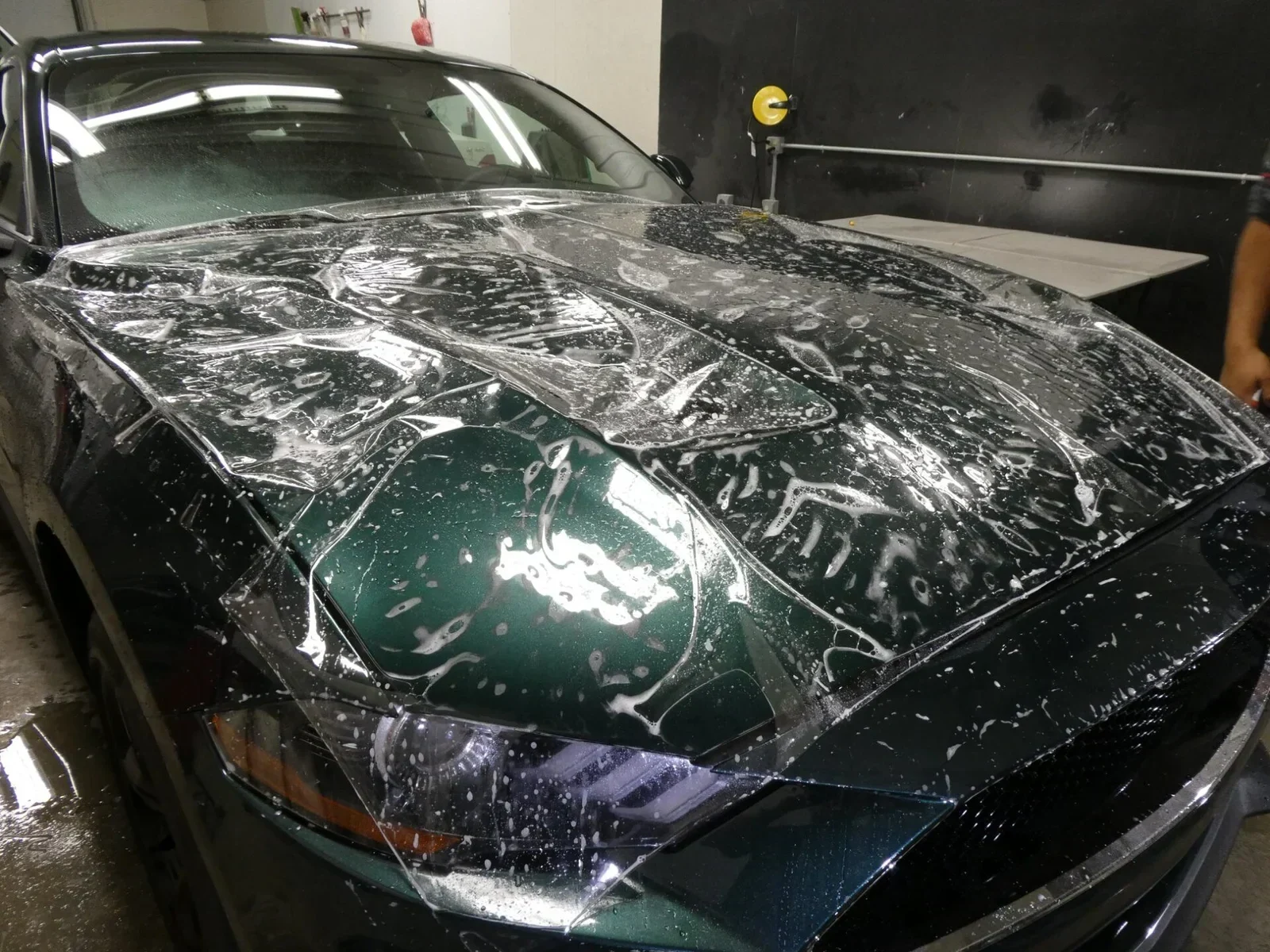
Modern paint protection films feature self-healing technology that wasn’t available or affordable in older products. These films use heat-activated polymers that allow minor scratches and swirl marks to disappear when exposed to warm water or sunlight. Newer films also have superior clarity, remaining virtually invisible while providing better impact resistance. Advanced ceramic coatings now offer extended durability with improved hydrophobic properties and enhanced chemical resistance. Some newer formulations even provide slight self-cleaning effects, where dirt struggles to bond to the surface.
Auto Protection Services have also improved in application techniques and customization options. Installers can now apply protection to more complex curves and surfaces with fewer seams and better adhesion. If you’re driving a newer vehicle or one you plan to keep long-term, upgrading to the latest protection technology makes financial sense. The improved performance and longevity of modern products often justify the investment, especially in demanding environments like coastal Florida.
Life Changes That Call for Better Protection
Sometimes, the need for upgraded protection stems from changes in your circumstances rather than protection failure.
Vehicle Value Considerations
Did you recently purchase a new or expensive vehicle? Upgrading to premium protection makes sense when you’re protecting a more valuable asset. Maybe you initially chose basic protection for an older car, but now you’re driving something worth preserving more carefully. Comprehensive Car Protection becomes more important as vehicle value increases. Similarly, if you’re planning to sell or trade your vehicle soon, upgrading protection can significantly boost resale value and appeal. Buyers pay more for vehicles with well-maintained paint and interiors, and visible protection demonstrates care and attention.
Extended Ownership Plans
Perhaps you originally planned to keep your vehicle for just a few years, but circumstances changed and you’re now planning to drive it much longer. This extended timeline justifies upgrading to more durable, long-lasting protection. Investing in premium protection makes sense when you’re protecting an asset you’ll own for many years. The cost spreads over a longer ownership period, and the benefits of maintained appearance and prevented damage compound over time. An Auto Protection Shop Near Me Juno Beach, FL can assess your current situation and recommend upgrades that align with your extended ownership plans.
Evaluating Cost vs. Benefit of Upgrading
Upgrading protection involves investment, so understanding the return matters. Consider what replacement or repair would cost if protection fails. Repainting a single panel can cost thousands of dollars, while full vehicle repaints reach five figures. Fixing interior sun damage, replacing faded trim, or addressing corrosion problems also carries significant expense. Compared to these potential costs, upgrading protection is remarkably affordable.
Calculate the depreciation protection provides. Vehicles with pristine exteriors and interiors command higher resale prices and sell faster. The difference between a well-maintained vehicle and one with visible wear can amount to thousands of dollars in resale value. If you’re financing your vehicle, maintaining its value helps ensure you’re never underwater on your loan. LINE-X AUTO SPA can provide detailed cost comparisons showing how protection upgrades pay for themselves through damage prevention and value preservation.
What Modern Auto Protection Upgrades Offer
Today’s protection options go beyond basic films and coatings. Comprehensive packages can include paint protection film on high-impact areas, ceramic coating on remaining painted surfaces, interior protection for seats and carpets, and advanced window films that block heat and UV rays while maintaining visibility. Some modern coatings even have antimicrobial properties that keep interior surfaces cleaner and healthier.
Upgraded protection often comes with better warranties and professional installation guarantees. Premium products typically include longer warranty periods and better coverage terms, giving you peace of mind about your investment. Installation quality has also improved, with trained technicians using computerized cutting systems that ensure precise fit and minimal waste. LINE-X AUTO SPA employs these advanced techniques to deliver flawless installations that maximize protection performance and appearance. The combination of better products and superior installation methods means upgraded protection performs better and lasts longer than ever before.
Conclusion
Knowing when to upgrade your auto protection in Juno Beach isn’t just about watching for visible deterioration. It involves understanding your protection’s age, recognizing how coastal conditions affect longevity, and staying informed about technological advances that offer better performance. Whether your current protection shows obvious signs of failure or you’re simply approaching the end of its expected lifespan, timely upgrades prevent costly damage and maintain your vehicle’s appearance and value. With Juno Beach’s demanding coastal environment, proactive protection management makes the difference between a vehicle that looks great for years and one that shows premature aging.
FAQs
How often should auto protection be upgraded in coastal areas?
Coastal vehicles typically need protection evaluation every 3 to 5 years, with potential upgrades at the 5 to 7 year mark depending on product quality and exposure. Vehicles parked outdoors or in direct sun may need more frequent attention. Regular inspections help identify degradation early, allowing you to plan upgrades before protection fails completely and damage occurs.
Can I upgrade protection without removing old coatings?
In most cases, old protection must be removed before applying new products to ensure proper adhesion and performance. Attempting to layer new protection over degraded old protection typically results in poor bonding and shortened lifespan. Professional removal and surface preparation are essential steps in the upgrade process that shouldn’t be skipped.
Will upgrading protection fix existing paint damage?
Protection upgrades cannot repair existing damage but can prevent further deterioration. If your paint has oxidation, scratches, or fading, these issues need addressing through paint correction before applying new protection. Once corrected and protected, your paint will maintain that restored appearance much longer than if left unprotected.
Do newer vehicles need protection upgrades sooner?
Newer vehicles don’t necessarily need upgrades sooner, but they benefit most from premium initial protection. If a new vehicle has basic or older-technology protection, upgrading to advanced options makes sense regardless of age. The goal is matching protection quality to vehicle value and your preservation goals rather than focusing solely on age.
What’s the best season to upgrade auto protection in Florida?
Any season works for protection upgrades in Florida’s consistent climate, though slightly cooler months may offer more comfortable installation conditions. The key is addressing upgrades when needed rather than waiting for a specific season. Schedule upgrades before current protection completely fails to prevent damage during the transition period.