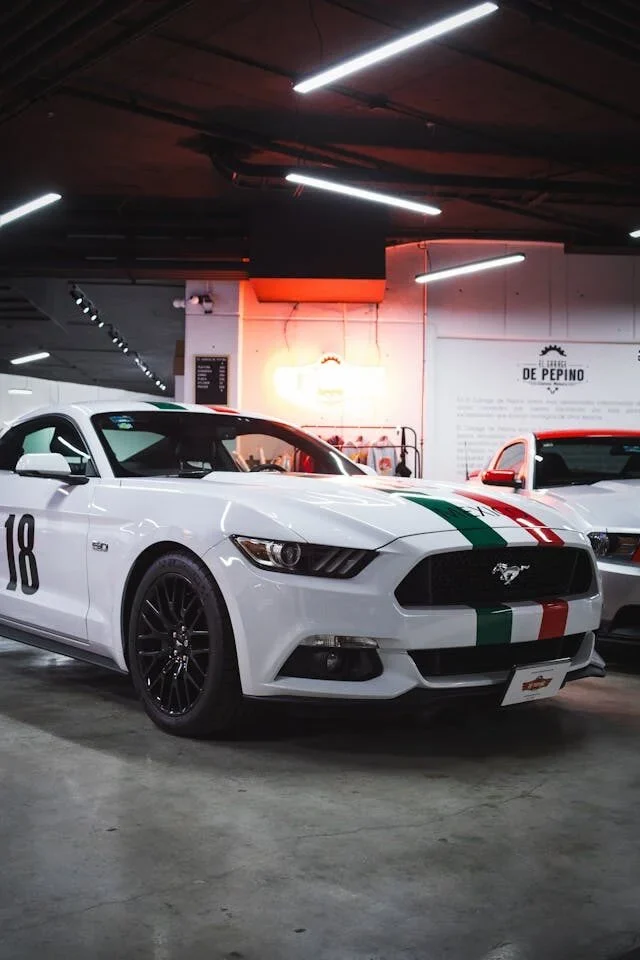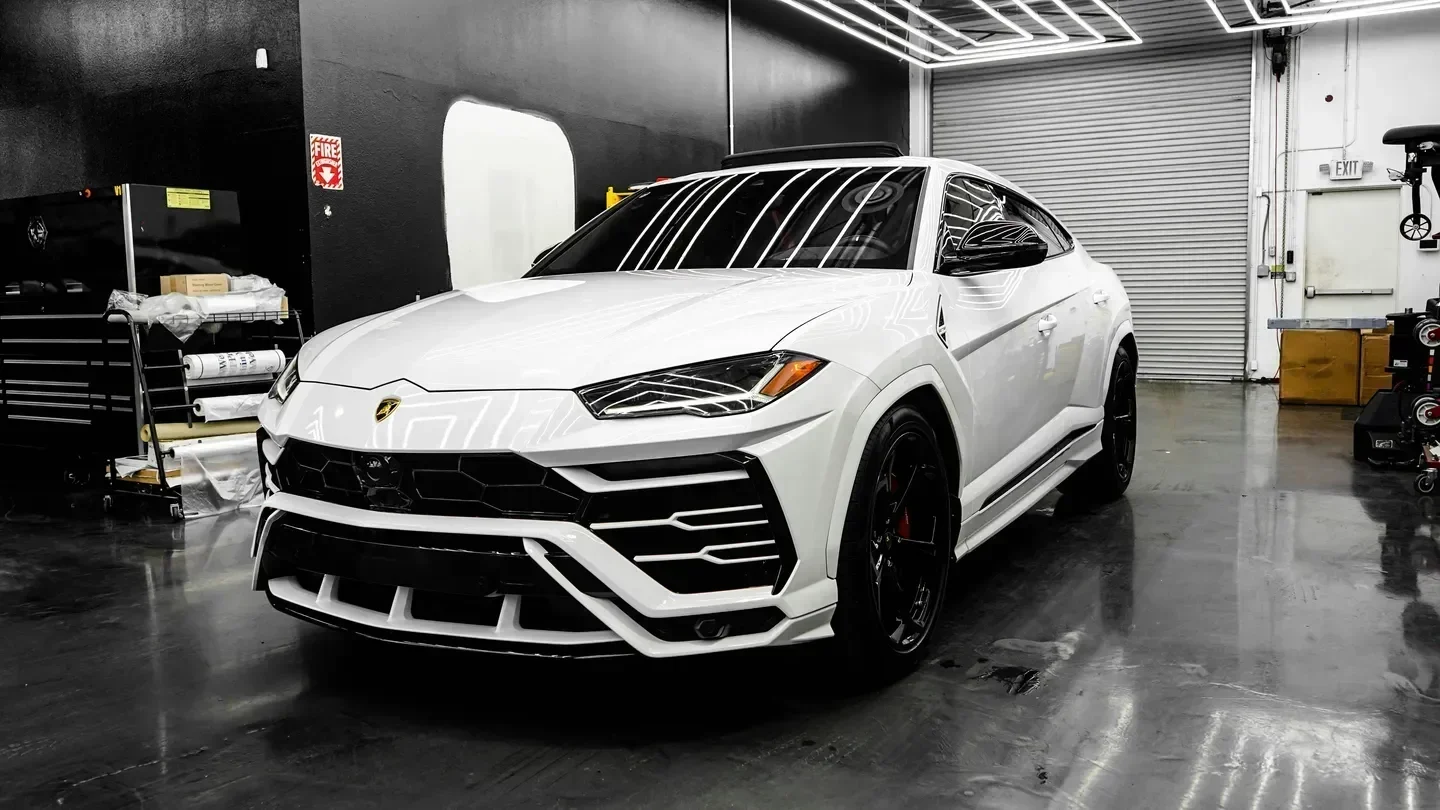
Your car’s glossy, mirror-like finish is one of the first things people notice when they see your vehicle. That deep, wet-looking shine makes your car stand out whether you’re parked at the Mall at Wellington Green or driving past the Palm Beach International Equestrian Center. But maintaining that showroom appearance in Florida’s harsh climate is challenging. Sun, rain, humidity, and environmental contaminants constantly work against your paint’s luster.
Ceramic coating technology has revolutionized how vehicles maintain their gloss and shine over extended periods. At LINE-X Auto Spa, we’ve seen the dramatic difference this protective layer makes on vehicles exposed to Wellington’s subtropical environment. Unlike traditional waxes that fade within weeks, ceramic coating in Wellington, FL creates lasting enhancement that keeps your car looking freshly detailed for years. Understanding how this technology actually works helps you appreciate why it has become the preferred solution for maintaining automotive beauty.
Understanding the Science of Gloss and Shine
Before we explore how ceramic coating enhances gloss, you need to understand what creates that attractive shine in the first place. Your car’s glossy appearance isn’t magic. It’s pure physics and chemistry working together.
Gloss is essentially light reflection. When light hits a smooth surface, it reflects uniformly in one direction, creating what we perceive as shine. The smoother the surface, the more uniform the reflection, and the glossier it appears. Think of the difference between a calm lake that reflects like a mirror versus choppy water that scatters light in all directions.
What Creates Visual Depth in Your Car’s Finish
The depth you see in a glossy paint finish comes from multiple layers working together. Your car has primer, base coat color, and clear coat layers. The clear coat is what you’re actually seeing and touching. When this clear coat is perfectly smooth and transparent, light penetrates through it, reflects off the color layer beneath, and travels back through the clear coat to your eyes. This creates that deep, three-dimensional appearance.
Any imperfection in the clear coat’s surface scatters light instead of reflecting it uniformly. Microscopic scratches, oxidation, contamination, and roughness all diminish gloss by disrupting this perfect reflection. Over time, these imperfections accumulate, making your paint look dull and flat even though the color underneath remains unchanged.

How Ceramic Coating Creates a Reflective Surface
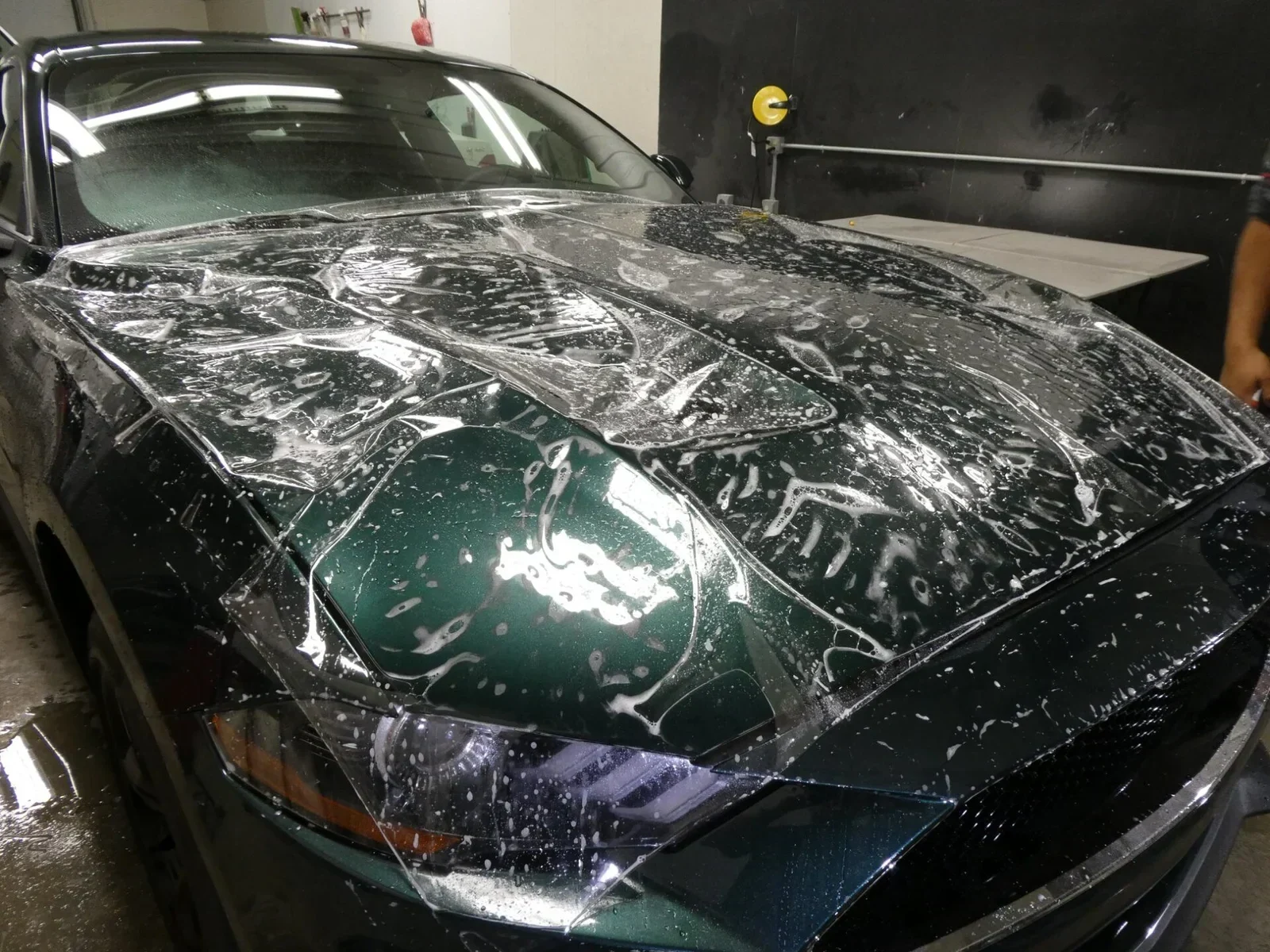
Ceramic coating works by adding an additional protective layer on top of your clear coat. But this isn’t just any layer. It’s engineered specifically to maximize smoothness and durability.
The Molecular Bonding Process
When professional technicians apply Ceramic Coating shop in Wellington, FL, they’re not just putting something on top of your paint. The coating chemically bonds with your clear coat at the molecular level. This creates a semi-permanent attachment that becomes part of your vehicle’s surface rather than just sitting on top of it like wax.
This bonding happens through a process called covalent bonding. The silicon dioxide molecules in the ceramic coating form strong chemical links with the molecules in your clear coat. Once cured, this bonded layer becomes incredibly hard and resistant to removal. It won’t wash away, won’t evaporate, and won’t break down from normal environmental exposure.
Silicon Dioxide and Surface Smoothness
The primary ingredient in most ceramic coatings is silicon dioxide, also called silica or SiO2. This compound creates an exceptionally smooth, glass-like surface when properly applied and cured. Silicon dioxide naturally forms a crystalline structure that is both hard and uniform at the microscopic level.
Think of it like applying a layer of liquid glass over your paint. As the coating cures, the silicon dioxide molecules organize themselves into a tightly packed arrangement that fills in microscopic imperfections in your clear coat. The result is a surface smoother than your original paint, which means better light reflection and enhanced gloss.
The Role of Hydrophobic Properties in Maintaining Shine
One of the most remarkable features of ceramic coating is its extreme hydrophobic nature. Hydrophobic means water-repelling, and ceramic coated surfaces demonstrate this property dramatically.
Water Beading and Self-Cleaning Effects
When water contacts a ceramic coated surface, it forms tight beads that roll off easily instead of spreading out and sticking. This happens because the coating’s molecular structure creates a surface that water molecules don’t want to cling to. The contact angle between water and the surface exceeds 100 degrees, forcing water into spherical beads.
This beading effect does more than look cool. It’s fundamental to maintaining long-term gloss. When water beads up and rolls off, it takes dirt, dust, and contaminants with it. Your vehicle essentially cleans itself every time it rains or gets washed. Contaminants don’t get a chance to bond with the surface and create the dullness that accumulates on unprotected paint.
How Contaminants Slide Off Coated Surfaces
The same properties that make water bead also prevent other substances from sticking. Bird droppings, bug splatter, tree sap, and road grime all have reduced adhesion to ceramic coated surfaces. When these contaminants do land on your vehicle, they sit on top of the coating rather than bonding with it.
This makes removal much easier and prevents the etching and staining that normally occurs when acidic substances contact bare clear coat. Since these contaminants don’t permanently mar the surface, your gloss remains intact even after exposure to harsh environmental elements common in Wellington’s climate.
Protection Against Environmental Factors That Dull Paint
The long-term gloss enhancement from ceramic coating comes largely from its protective properties. It’s not just about making your car shinier initially. It’s about preventing the degradation that kills shine over time.
UV Ray Blocking and Oxidation Prevention
Florida’s intense sunshine is one of the biggest threats to automotive paint. Ultraviolet radiation breaks down the molecular structure of clear coat over time through a process called oxidation. You’ve probably seen this on older cars where the paint looks faded, chalky, and dull.
Ceramic Coating in Wellington, FL acts as a UV barrier. The silicon dioxide layer absorbs and reflects UV radiation before it can penetrate to your clear coat. This prevents the photo-degradation that causes oxidation. Your clear coat maintains its molecular integrity and transparency, which preserves the depth and gloss of your paint finish.
Think of it like sunscreen for your car. Just as sunscreen protects your skin from UV damage, ceramic coating protects your paint from the same destructive radiation that causes premature aging and dullness.
Chemical Resistance and Etching Protection
Beyond UV protection, ceramic coating resists chemical damage from a wide range of substances. Acid rain, bird droppings, bug acids, and even harsh detergents can etch unprotected clear coat, creating permanent dull spots that destroy gloss.
The chemically inert nature of cured silicon dioxide means these substances don’t react with the coating the way they would with bare clear coat. The coating takes the abuse instead of your paint. As long as you clean contaminants off within a reasonable timeframe, they won’t cause permanent damage or dullness.
This chemical resistance is particularly valuable in Wellington, where humidity, frequent rain, and abundant wildlife create constant exposure to potentially harmful substances.
How Ceramic Coating Fills Microscopic Imperfections
Even on a brand new car, your clear coat isn’t perfectly smooth at the microscopic level. There are tiny peaks and valleys invisible to the naked eye but significant enough to scatter light and reduce gloss.
Creating a Smooth Light-Reflecting Surface
When applied properly by professionals at LINE-X Auto Spa, ceramic coating flows into these microscopic imperfections and levels them out. The liquid coating fills the valleys and creates a uniform surface as it cures. This leveling effect is similar to how a clear epoxy coating creates a glass-smooth surface on wood or concrete.
The result is a surface that reflects light more uniformly than the original clear coat. This enhanced reflection is what creates that dramatic increase in gloss and depth immediately after ceramic coating application. Your paint doesn’t actually change color, but it looks richer and deeper because the light reflection is optimized.
On older vehicles, this effect is even more dramatic. Years of accumulated micro-scratches and imperfections get filled and smoothed over, restoring gloss that had been lost to time and use.
Long Term Durability of Gloss Enhancement
The real value of ceramic coating isn’t just the immediate improvement. It’s the longevity of that enhancement compared to traditional protection methods.
Why Ceramic Coating Outlasts Traditional Waxes
Traditional carnauba wax creates gloss by filling imperfections and creating a smooth surface, similar to ceramic coating. However, wax is a soft, organic material that breaks down quickly. Heat melts it, water washes it away, and UV radiation degrades it. Most waxes last only 4-8 weeks before they need reapplication.
Ceramic coating, by contrast, is an inorganic, silicon-based material with exceptional durability. Once cured, it resists heat up to several hundred degrees, doesn’t dissolve in water, and maintains its chemical structure despite UV exposure. Quality Ceramic Coating in Wellington, FL can maintain its gloss-enhancing properties for 3-7 years or even longer with proper maintenance.
This durability means your vehicle maintains that freshly detailed appearance month after month, year after year, without the constant reapplication cycle required by wax.
The Hardness Factor and Scratch Resistance
Another key to long-term gloss maintenance is scratch resistance. Minor scratches are one of the primary causes of diminished gloss over time. Every car wash, every dust particle blown across the surface, every time you lean against your vehicle creates microscopic scratches that accumulate and dull your paint.
Ceramic coating cures to a hardness rating of 9H on the pencil hardness scale. This is significantly harder than clear coat, which typically rates around 4H-6H. This hardness doesn’t make your car scratch-proof, but it does mean that many minor contact events that would scratch clear coat simply slide across the ceramic coating without leaving a mark.
By preventing scratch accumulation, the coating maintains its smooth, reflective surface much longer than unprotected paint. The gloss you see after initial application remains largely intact because the surface isn’t being gradually degraded by countless tiny scratches.
Maintaining the Enhanced Gloss Over Time
While ceramic coating is remarkably durable and low maintenance, it’s not completely maintenance-free. Understanding proper care ensures the gloss enhancement lasts as long as possible.
Regular washing remains important, but it becomes easier with ceramic coating. The hydrophobic properties mean dirt doesn’t cling as tightly, so gentle washing removes contamination effectively. You don’t need harsh chemicals or aggressive scrubbing that can damage the coating over time.
Avoid automatic car washes with harsh brushes. The ceramic coating will protect your paint from these, but the brushes can still create micro-scratches in the coating itself over time. Hand washing or touchless washing preserves the coating’s smoothness and gloss-enhancing properties.
Periodic maintenance products designed specifically for ceramic coatings can refresh the hydrophobic properties and add an extra layer of gloss. These aren’t necessary for protection, but they can enhance the visual appearance between professional maintenance sessions at LINE-X Auto Spa.
The coating’s ability to maintain gloss also depends on how well your paint was prepared before application. Professional paint correction removes existing scratches and imperfections before coating, creating the smoothest possible base. This preparation is crucial for achieving maximum gloss enhancement that lasts.
Conclusion
Ceramic coating enhances and maintains your vehicle’s gloss and shine through a combination of advanced chemistry and physics. The silicon dioxide formulation creates a molecularly bonded layer that is smoother, harder, and more reflective than your original clear coat. Its hydrophobic properties keep contaminants from dulling the surface, while its chemical and UV resistance prevents the environmental degradation that normally destroys gloss over time. Unlike waxes that provide temporary enhancement, ceramic coating creates lasting improvement that can maintain your vehicle’s showroom appearance for years. For Wellington drivers dealing with intense sun, humidity, and environmental challenges, this technology offers the most effective solution for preserving that deep, mirror-like shine that makes heads turn. The science behind ceramic coating isn’t just marketing hype. It’s genuine material innovation that fundamentally changes how your vehicle’s surface interacts with light and maintains its beauty over the long term.
FAQs
Does ceramic coating make my car shinier than it was originally from the factory?
Yes, in most cases ceramic coating enhances gloss beyond factory finish levels. Factory clear coat has microscopic imperfections from the manufacturing and curing process. When ceramic coating is applied over properly prepared paint, it fills these imperfections and creates a smoother surface that reflects light more uniformly. The result is often noticeably glossier than a brand new car straight from the dealership.
Will the enhanced gloss fade over time or does it stay constant?
The gloss enhancement remains remarkably stable throughout the coating’s lifespan when properly maintained. Unlike wax that gradually wears away and loses shine, ceramic coating maintains its molecular structure and smoothness for years. You might notice slight reduction in intensity after 2-3 years depending on environmental exposure and care, but the difference is minimal compared to the dramatic decline you’d see with traditional protection methods.
Can ceramic coating restore gloss to paint that has already oxidized and faded?
Ceramic coating itself cannot reverse oxidation damage. However, the paint correction process performed before coating application can remove the oxidized layer and restore much of the original color and gloss. Once the damaged clear coat is polished away and fresh, healthy paint is exposed, ceramic coating locks in that restored appearance and prevents future oxidation from occurring again.
How does humidity and rain in Wellington affect the coating’s gloss properties?
Wellington’s humidity and frequent rain actually work in favor of ceramic coating. The hydrophobic properties cause water to bead and run off, continuously cleaning the surface and maintaining gloss. High humidity doesn’t penetrate or degrade the coating since it’s chemically inert to moisture. In fact, humid climates often show ceramic coatings benefits more dramatically than dry climates because the self-cleaning effect activates more frequently.
What’s the difference in gloss between a one-layer and multi-layer ceramic coating application?
Additional layers of ceramic coating can enhance gloss incrementally by creating an even smoother, more uniform surface. Each layer fills remaining microscopic imperfections and adds depth to the finish. However, the difference becomes less noticeable with each additional layer. Most of the gloss enhancement comes from the first professionally applied layer over properly prepared paint. Additional layers provide more durability and slight gloss improvements, but the dramatic visual transformation happens with that first quality application.